
USFans Spreadsheet · Guides
USFans T-Shirts: Compare Length, Neckline and the Outfit You Want
Compare USFans T-shirt candidates using repeatable garment measurements, neckline and outfit preferences, then inspect matched photos without guessing fabric performance.
A T-shirt can be the right colour and still be wrong for the outfit. A hem that works tucked into trousers might hang too low beneath a short jacket; a prominent chest graphic may disappear under an open shirt. Before adding another USFans T-shirt candidate to your shortlist, decide how you expect to wear it.
Start with the USFans spreadsheet collection for discovery. Keep the individual product reference and selected colour together, then compare a small number of candidates against a tee you already like wearing. A short, useful comparison is easier to act on than a long list of almost identical photographs.
On this page
Choose the outfit before choosing the label
For an everyday untucked tee, look first at body length and how much fabric you want around the waist. For a layer beneath a shirt, consider the neckline and where the sleeves will sit. For an outfit built around a chest print or pocket, consider how much of that feature remains visible with the outer layer on.
These are preferences, not universal rules about what a particular body shape should wear. Try the intended combination with an existing shirt before ordering: move your arms, sit down and look at the hem with the trousers you plan to use. That gives you a reference for the next purchase without pretending that a model photograph predicts your fit.
If you are choosing a complete combination, compare the proportions with the pants and shorts guide. There is no need for every item in the outfit to have the same fit label.
A T-shirt candidate as a starting point
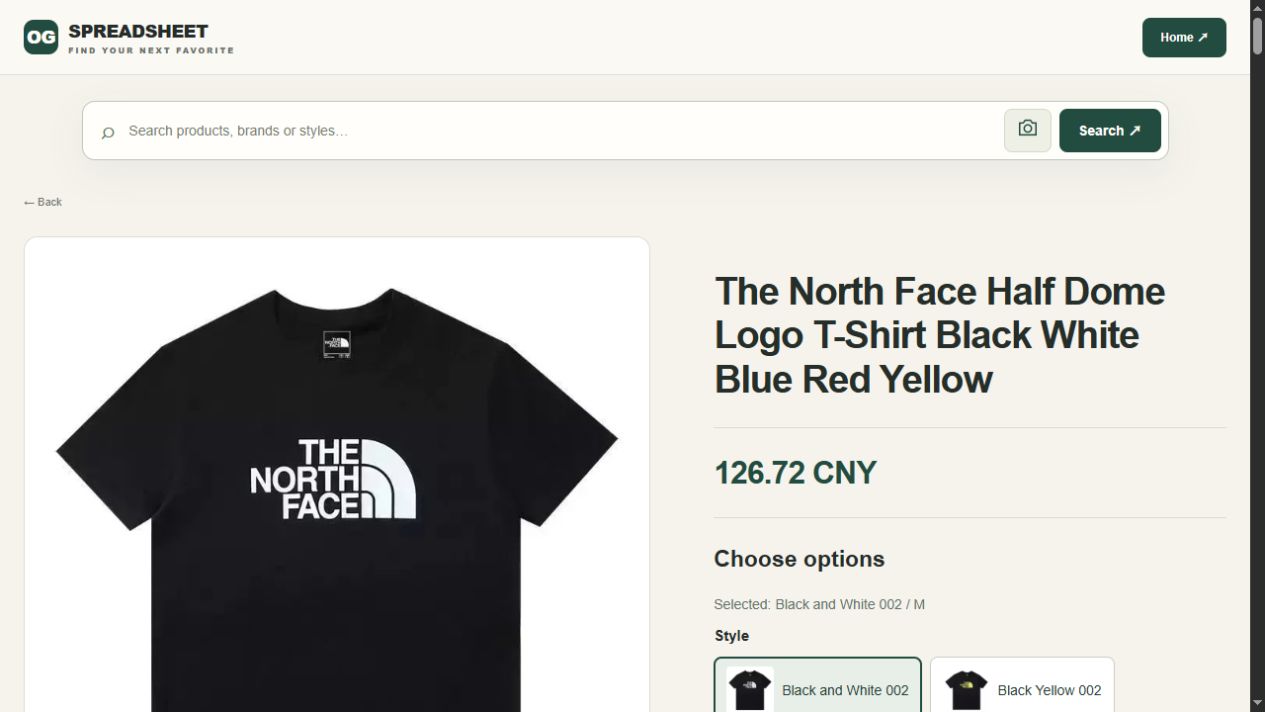
View the T-shirt candidate on OG when you want a specific option to inspect. Check the selected variant and the current description on the product page; a name shared with another listing does not establish that its sizing or specifications are identical.
Decide whether you want a quiet layer beneath another garment or a shirt whose visible design remains the focus. Compare the neckline, design placement and overall silhouette in the available images. If a chest pocket is essential to your outfit, confirm that feature on the selected option rather than assuming this candidate has one. Do not turn a visible design detail into an assumption about fabric weight, softness or construction quality.
Build a measurement reference you can repeat
Lay a comfortable tee flat without stretching it. Record the units and the endpoints you used. Width measured across a flat garment is not the same number as a full circumference, and a body measurement is not automatically interchangeable with a garment measurement.
Swipe sideways to compare all columns.
| What to compare | Why it matters for your choice | What to keep consistent |
|---|---|---|
| Body length | Where the hem will sit in the intended outfit | Starting point at the shoulder or neckline |
| Chest width | How much room you prefer through the torso | Flat width versus circumference |
| Shoulder measurement | Position of the sleeve seam | Seam-to-seam endpoints, where applicable |
| Sleeve length | How the sleeve works alone or under another layer | Starting seam and garment construction |
A dropped-shoulder design can make a sleeve measurement difficult to compare directly with a conventional shoulder seam. Look at the shoulder and sleeve together instead of treating one number as a complete description of the fit.
Use the USFans size guide if two listings use different measurement conventions. When the endpoints are unclear, obtain clarification before choosing between sizes. Guessing a conversion gives a precise-looking answer without a reliable basis.
What to inspect in the actual garment photos
When photos of the selected item are available, compare them with the option you ordered. Begin with the colour selection and visible design: pocket or print, neckline, sleeve arrangement and any readily visible damage. A stock photograph describes the listing; it is not a record of the individual garment received at a warehouse.
For a placement concern, a straight-on view is more useful than a folded shirt photographed at an angle. For a measurement concern, the relevant endpoints and measuring scale need to be visible. Request the view that could answer the question rather than collecting more photographs of the same unhelpful angle.
Photos cannot settle how soft the fabric feels against your skin, whether a neckline will stretch with wear, or how much a garment will shrink. Check the stated care and material information for the exact item, and avoid interpreting brightness or folds as a dependable measure of thickness. The QC photo guide explains how to keep visible checks separate from properties that need other evidence.
Decide whether another tee adds anything
Before choosing several colours, write one reason for each: an outfit it completes, a neckline you prefer, or a replacement for an item you actually use. If two candidates fill the same role, compare them directly instead of assuming a larger order is a better purchase.
Adding an item also changes the order you must manage. Do not assume a light-looking tee adds no delivery cost, or use a product image to estimate its packed weight. Review the shipping calculator guide when actual item and parcel information is available, and keep the goods purchase separate from the later international shipping decision.
Questions before you choose
Should I size up for an oversized look?
Not automatically. Compare the intended cut and measurements with your reference garment. Increasing a size can change length and shoulder position as well as width; it may not create the silhouette you wanted.
Can I judge opacity from a listing photo?
Lighting, background and image processing affect what you see. Treat the photograph as a visual reference, not a controlled fabric test. Look for applicable item information instead of promising that a particular colour will be opaque.
Is this the same decision as choosing a polo?
A polo adds collar and fastening details to the comparison. Check those features and the actual measurements rather than assuming a T-shirt fit transfers unchanged. For a first order, the USFans spreadsheet guide connects product selection to the remaining order stages.